

How To Put A Camera In A Parrot Nest Box
ane
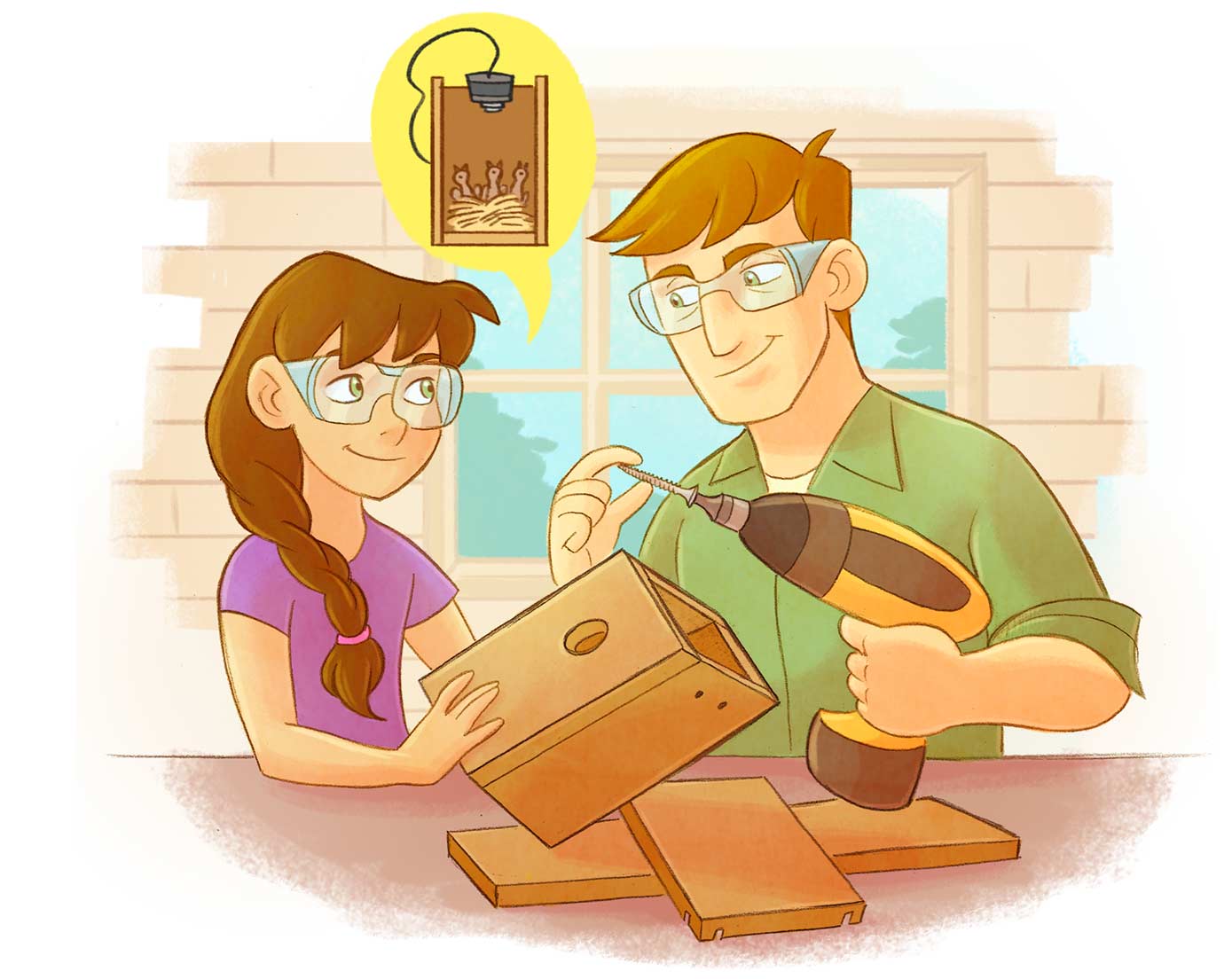
Then You Want To Install A Nest Cam?
2
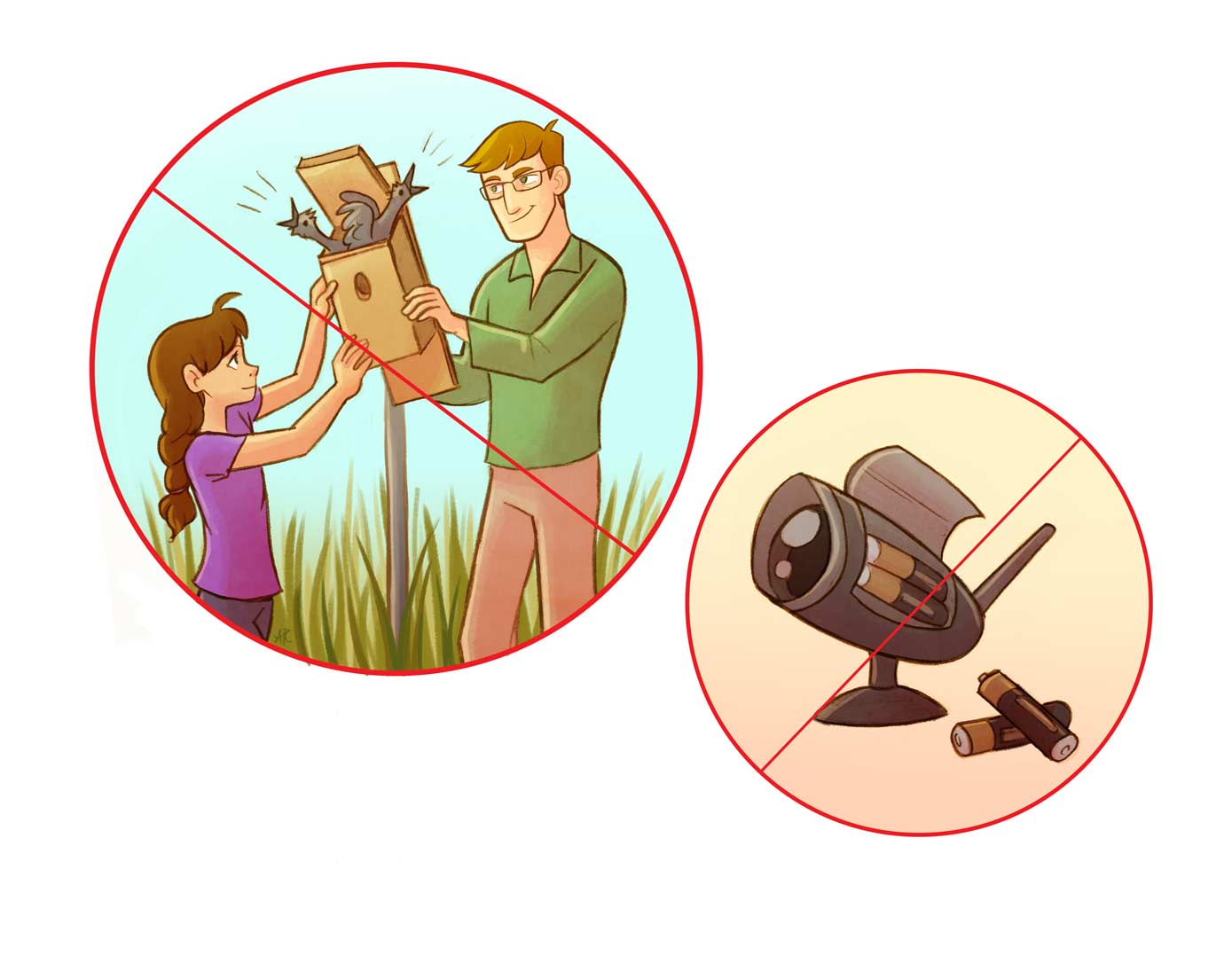
Before you start
3
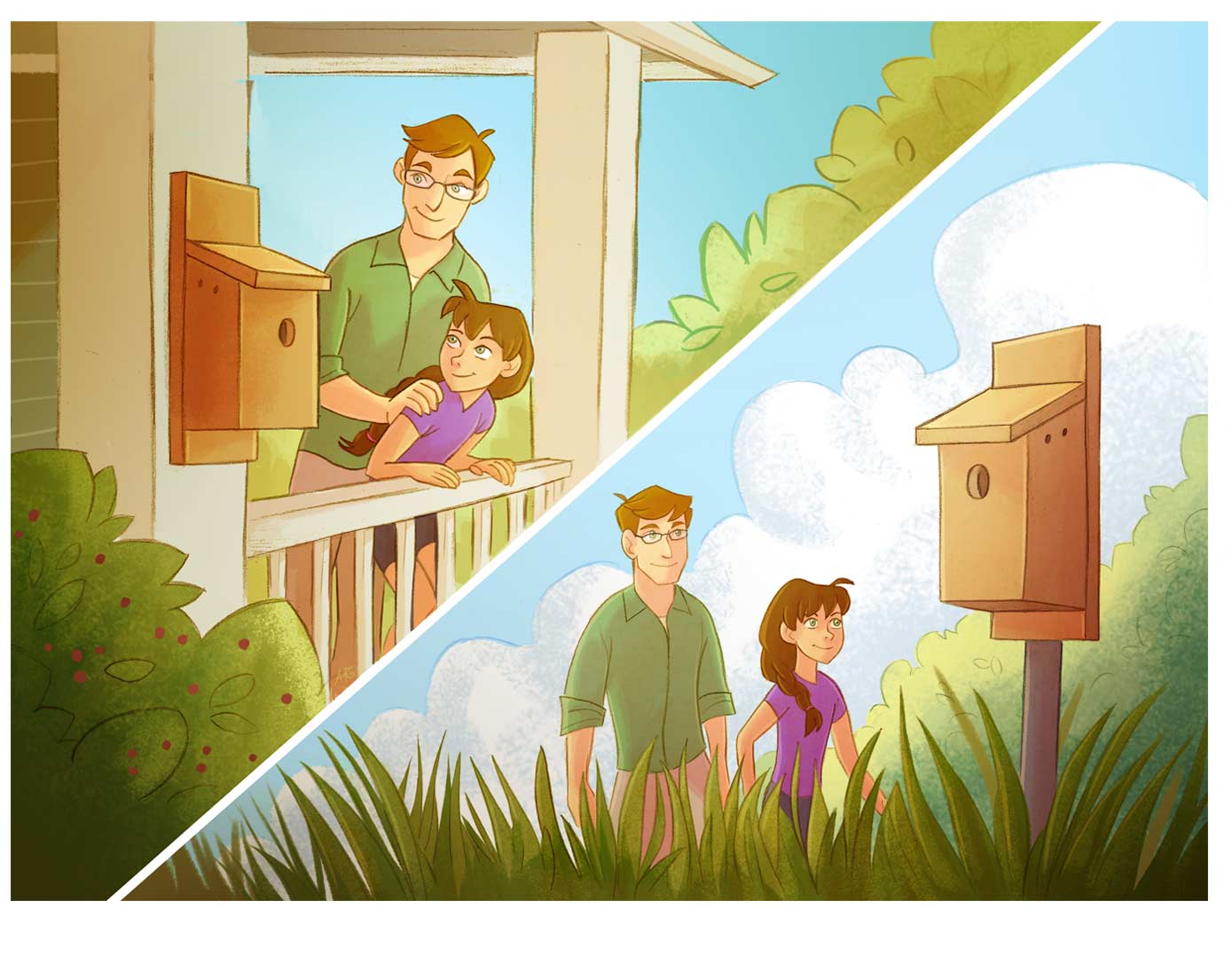
How far away is the nest?
four
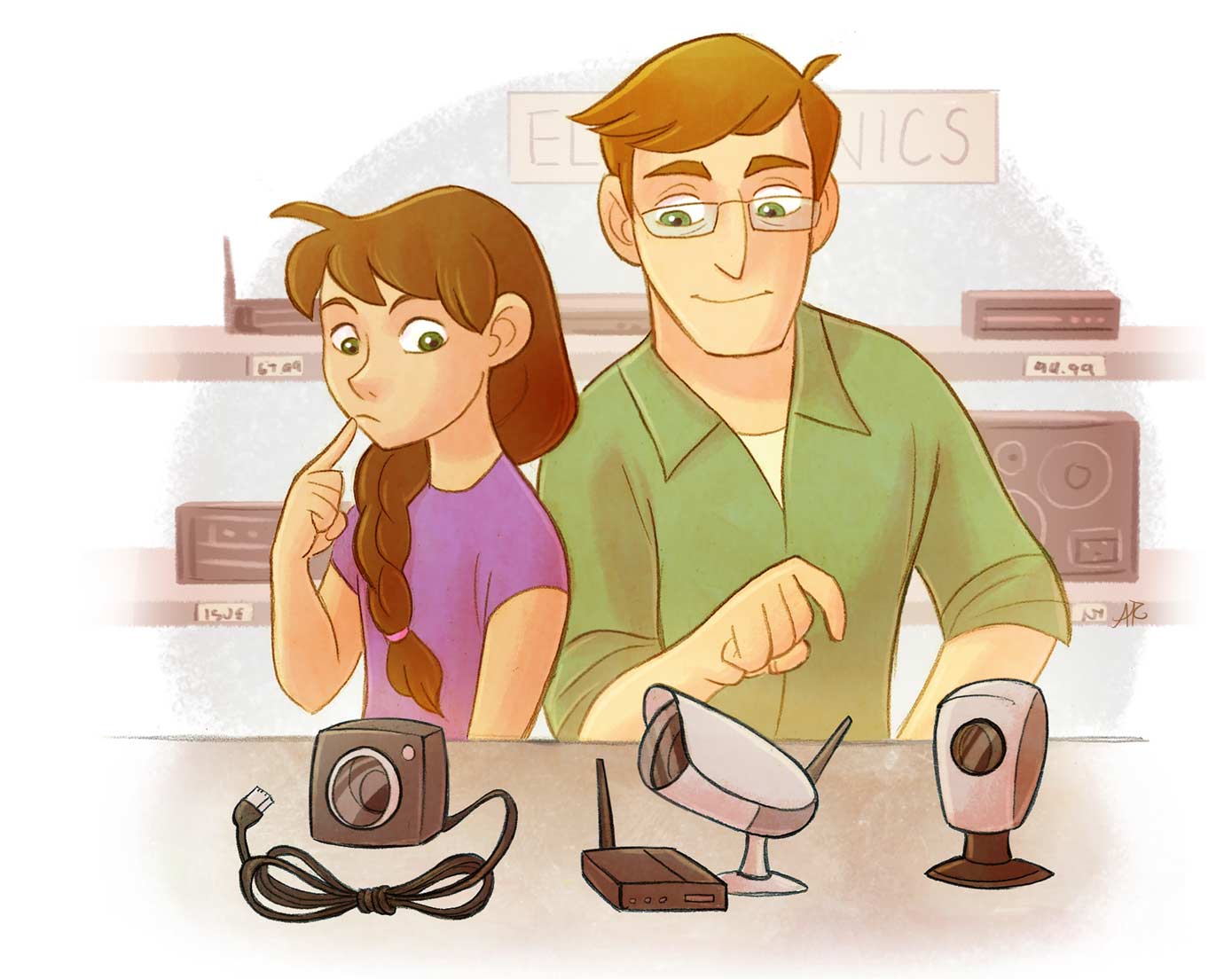
Cull A Setup
5
The USB Webcam
vi
The Analog Camera
7
The Network (IP) Photographic camera
8
Other Considerations
9
Installation
10
Running Wires
11
Positioning A Wireless Router (If You Need To)
12

Watch And Report
-
So You Want To Install A Nest Cam?
Whether you lot are a long-time citizen scientist or make new to birds, nest cams can enhance your enjoyment of bird watching. With nest box cameras, you can witness interesting behaviors that cannot exist seen outside of the nest box while learning virtually the bike of life unfolding in your back yard.
Just outset, you need a nest. If you don't already have a nest box, find out which birds you can host in your region and habitat using our Right Bird, Right House tool, and get costless construction plans and placement tips.
-
Earlier you commencement
The correct time to install a camera is before the birds first nesting, considering you lot never want to visit a nest for more a minute or two (encounter the NestWatch Lawmaking of Conduct). Too much disturbance could cause birds to carelessness their nest. For this reason, avoid cameras that require yous to frequently change batteries and swap memory cards. Note: it is illegal for you to touch or otherwise physically disturb an active nest or its contents.
-
How far away is the nest?
One of the about important things to consider before making your photographic camera purchase is how far from your viewing surface area your nest box is. There are limitations on the altitude any camera tin can easily transmit images without boosted equipment, and even wireless cameras yet need a power source. Mensurate the distance from the nest box to the input (i.e., figurer, Telly, router, etc.) to learn what your "range" is.
-
Choose A Setup
Now that you've measured and noted your range, imagine what view would exist ideal for y'all. Write downward the features that are near important to you (i.e., full color, night vision, Hd, sound, etc.), so consider the constraints of your site using the questions beneath:
- Are at that place any bug with accessing the site?
- If you lot plan to broadcast online, is there wired Internet?
- How much do you want to spend?
Once those questions are answered, it makes choosing equipment much more than straightforward. Now let'southward look at some options.
-
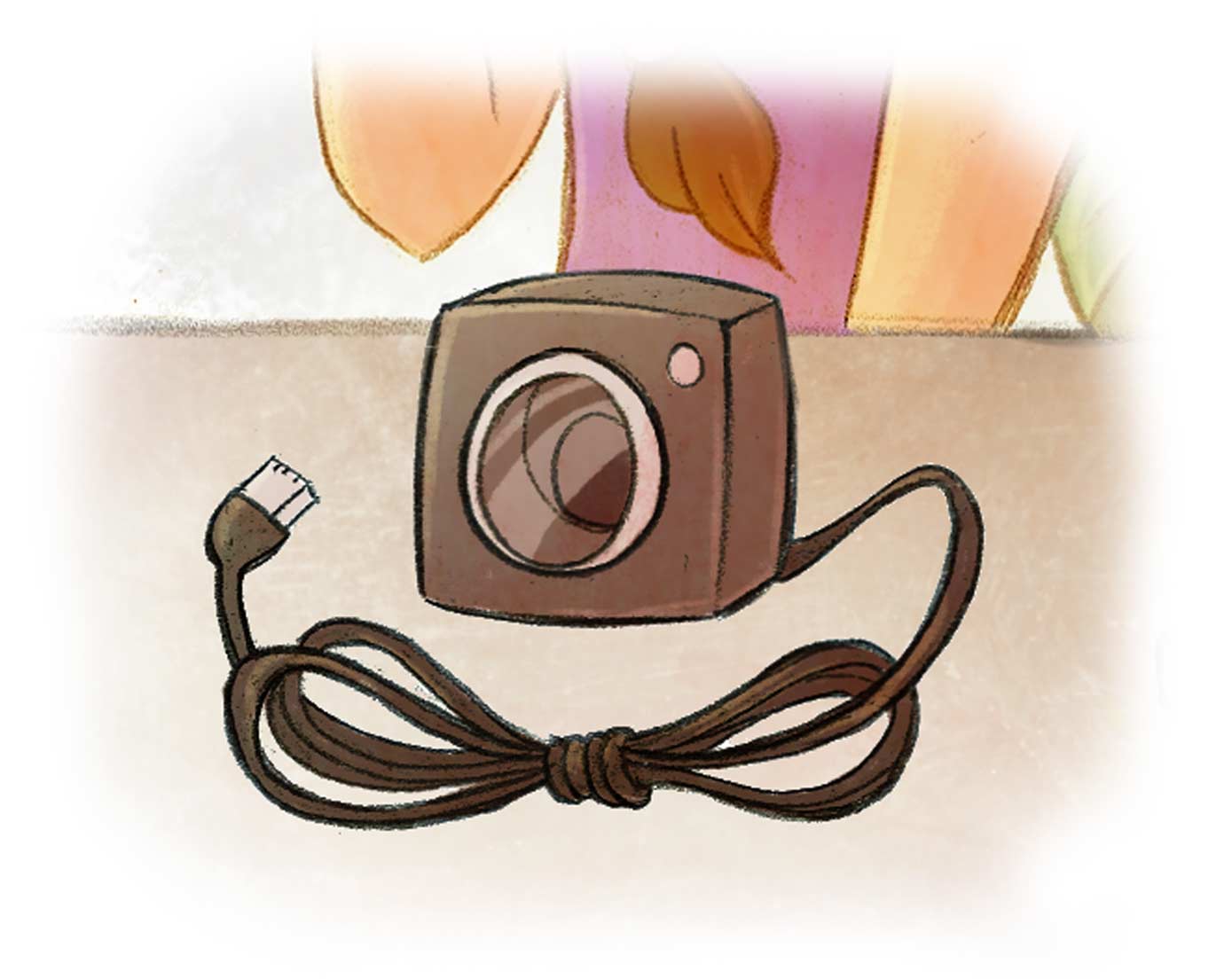
The USB Webcam
USB webcams are the to the lowest degree expensive and easiest cameras to set for nests nearby a computer.
- Draws power from the reckoner port
- Best for nests within fifteen′
- Tin accomplish more distant nests using extension cords and USB hubs
- extensions can produce delays in the signal
- USB hubs reduce delays simply require ability of their own
-
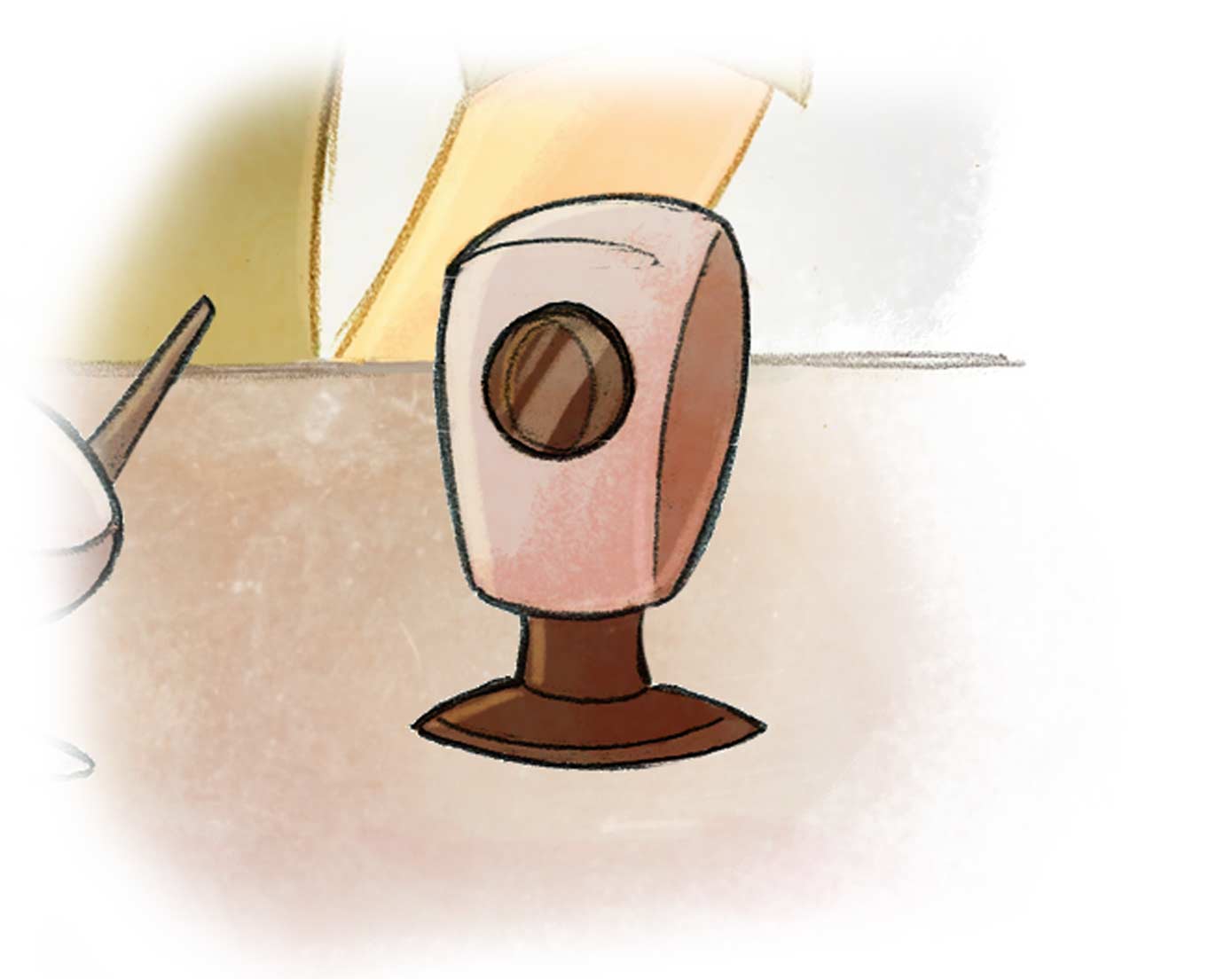
The Analog Camera
Analog cameras crave a lilliputian more set-upwardly time, but are a good heart-of-the-road choice for watching more distant nests.
- draws ability from an A/V cable that plugs into your Tv set
- best for nests within 200′
- tin be viewed on a computer using a USB adapter
- bachelor in wireless versions, but a power cord is still necessary (only the image is transmitted wirelessly, not the power)
-
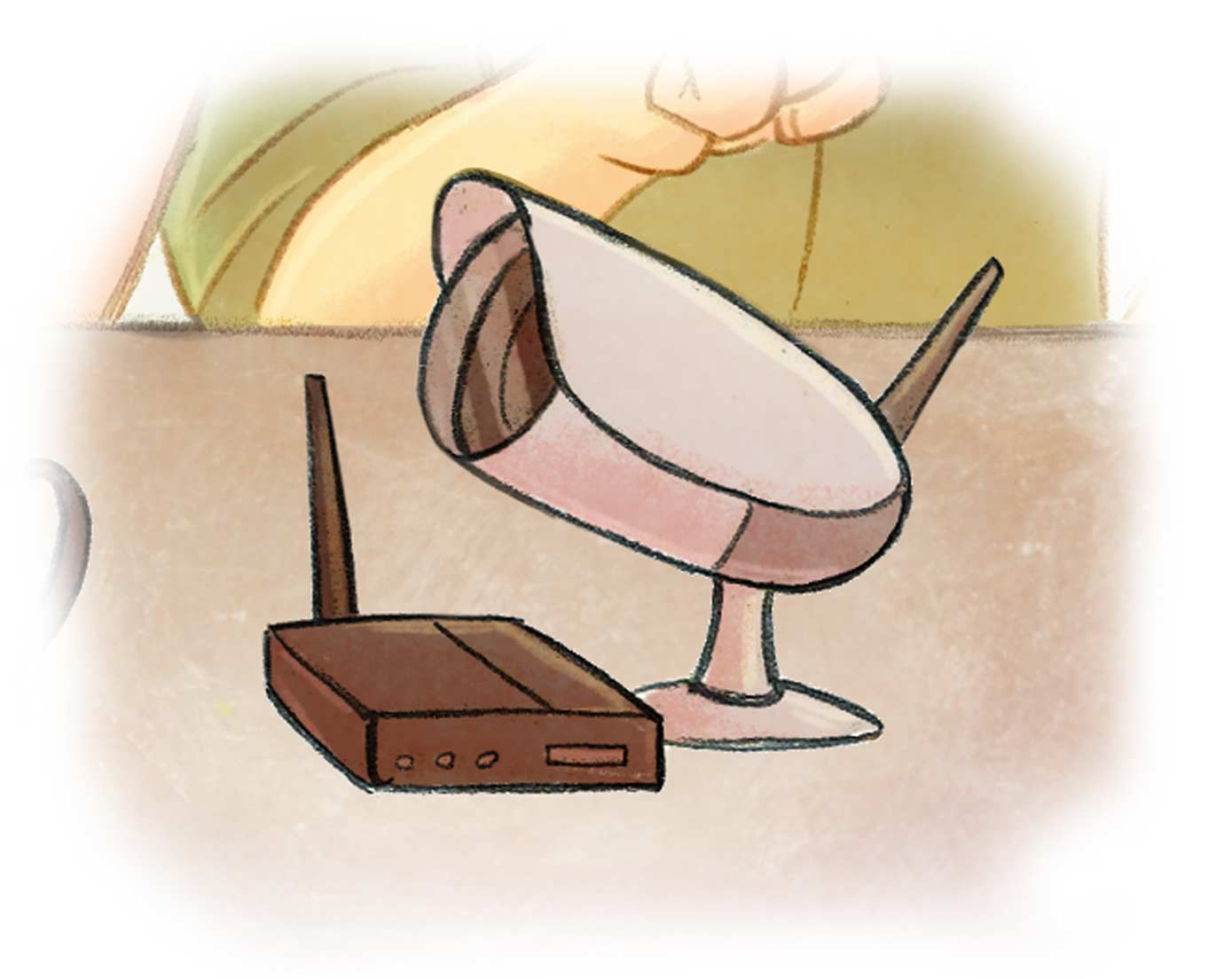
The Network (IP) Camera
Network (IP) cameras produce great video, even in dark nest boxes, and are the best choice for online streaming.
- all-time for nests within 325′
- cams are usually larger and may not fit inside small birdhouses
- cam connects straight to a router and tin be viewed by whatsoever computer on the same network (including smart phones and tablets)
- a PoE cable (power over ethernet) tin transmit ability and signal over the same cable
- available in wireless versions (range of nigh 100′ line of sight)
- tin reach more distant nests, up to several miles, past adding an access betoken to the router, which will also require a power source
-
Other Considerations
Image quality varies by photographic camera model, time of twenty-four hours, and fifty-fifty location of the nest box.
- look for infrared night vision to let dark viewing (birds, like people, cannot encounter or feel infrared calorie-free and are not bothered by information technology)
- nest box cams will generally be darker than a cam mounted in the open; this can bear on color
- wait for a cam without a power indicator calorie-free, or the power to disable the lite then that it's not visible to the birds
- expect for a cam with a built-in microphone and so you tin hear what's going on
Click through the screens to see examples of different cam views.
- Analog HD camera
- USB webcam
- Network (IP) photographic camera
-
Installation
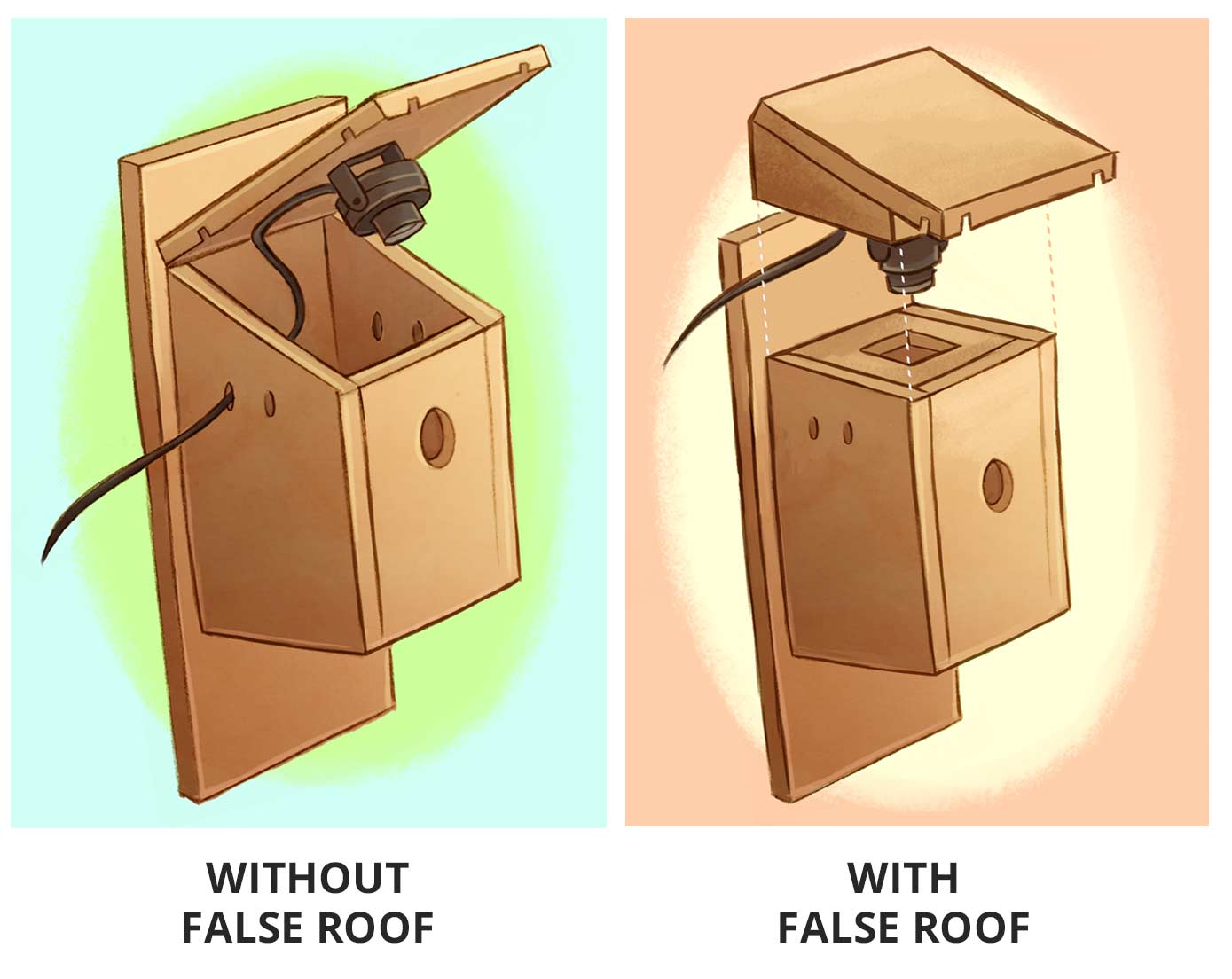
After choosing a camera, it's time to mount it. Starting time, check that the cam is working before you lot install information technology in the box! Virtually cameras can be mounted to the underside of the nest box roof with a few screws. If the cam is too large for the box, an "cranium" or false roof can be synthetic to house the camera. The power and video cables for the camera can exist secured to the outside of the box with small clips or staples.
-
Running Wires
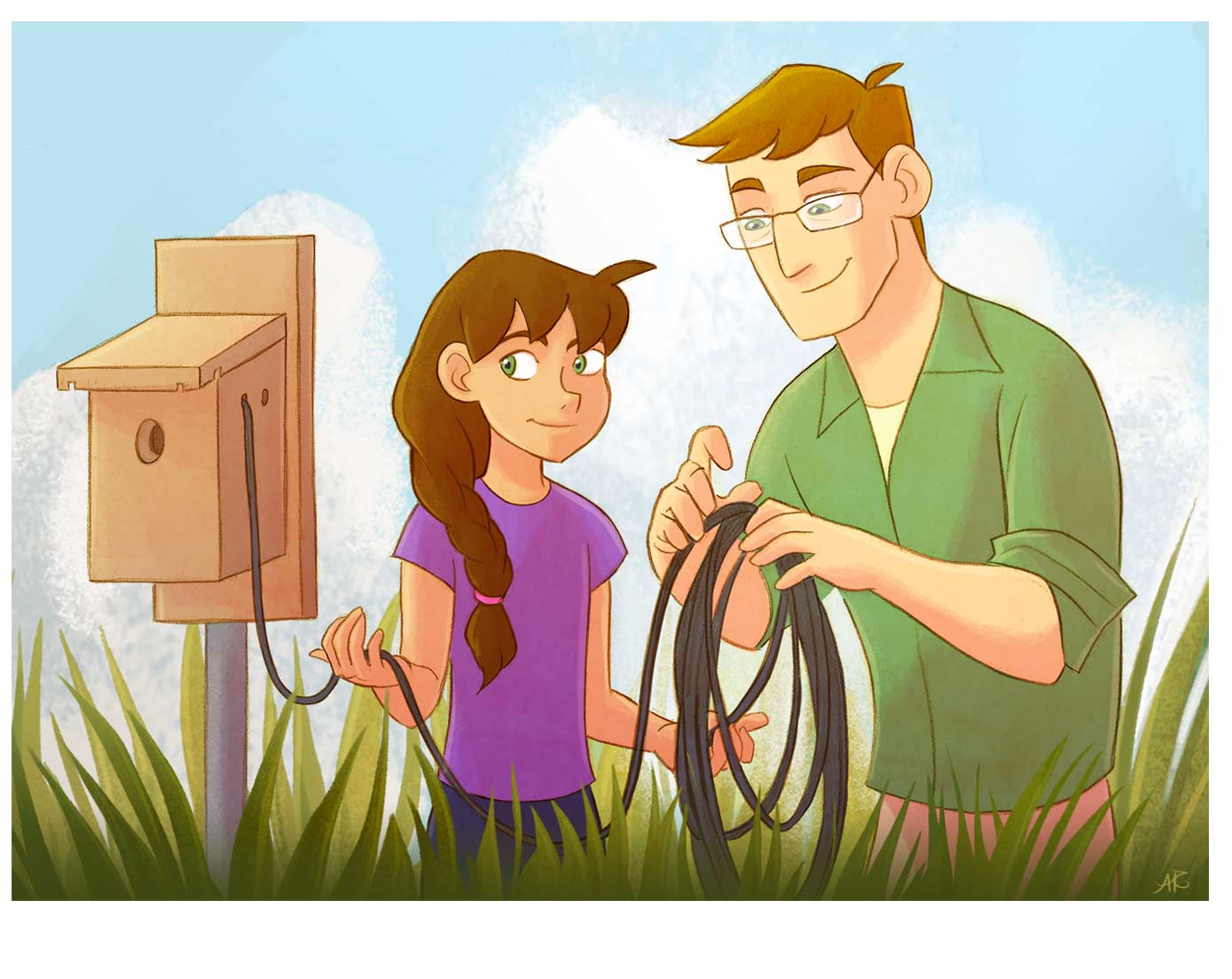
Remember, all cams need a power source, including wireless ones. This can either be a battery (non recommended), electrical outlet, power-over-ethernet (power and video are transmitted in one cable), or solar. For added protection, cables can be channeled through conduit if they are to exist buried underground.
-
Positioning A Wireless Router (If You lot Need To)
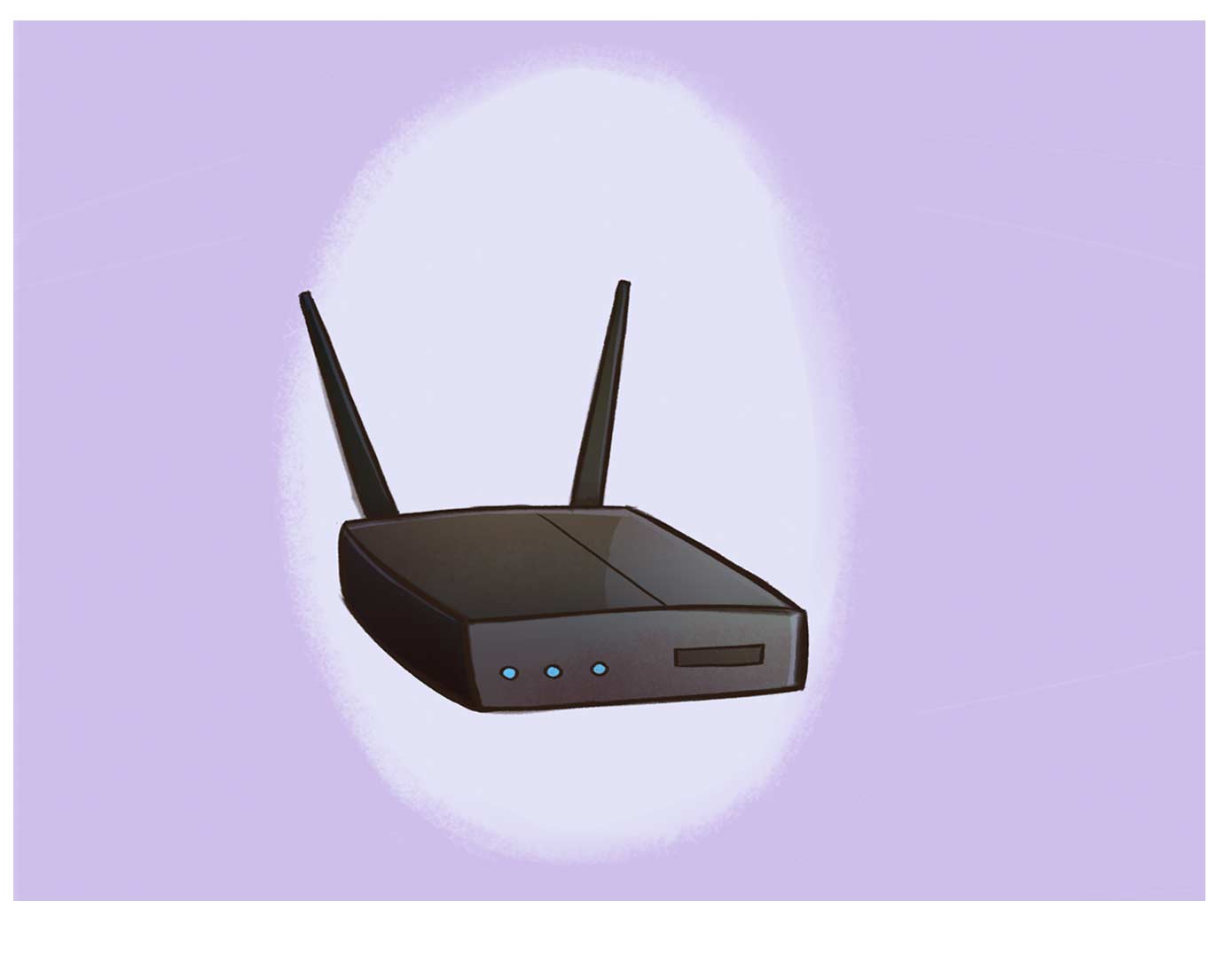
If yous're using a wireless IP cam, position your wireless router almost a window closest to the photographic camera. For wired IP cams, router position is non important as long as the cable can achieve it. Refer to the instruction manual for specific steps necessary to fix upwards your camera for viewing.
-
Spotter And Written report
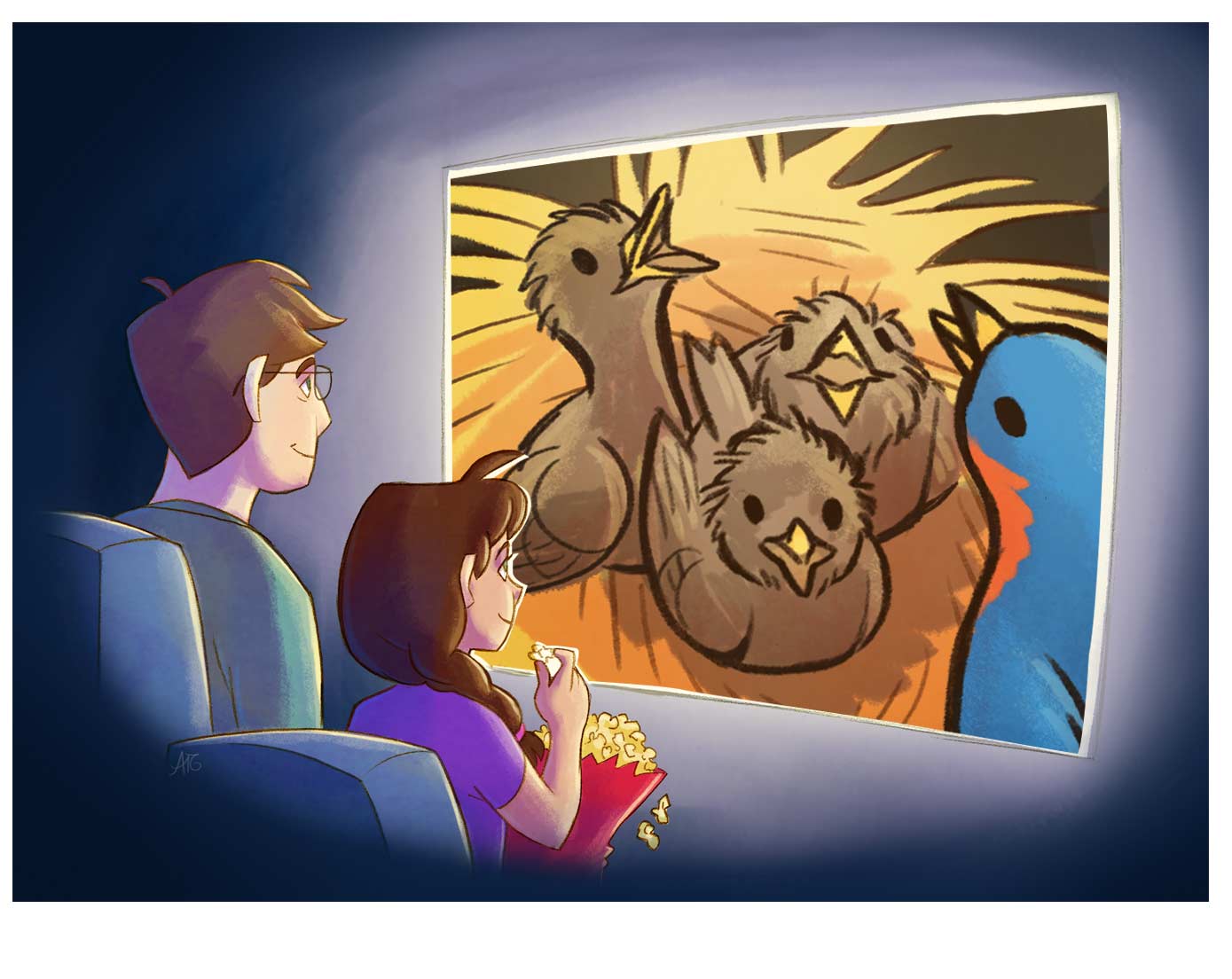
While watching nesting birds gives us humans a fun and educational way to interact with birds, nest box cams also are an opportunity to contribute to scientific discipline. How? Your observations get valuable scientific data when you report your nesting activity to NestWatch, our nest-monitoring citizen scientific discipline project. Monitoring your nests for science is as easy as watching Tv!
Illustration by Bartels Science Illustration Intern Anna Rettberg
Related Links

Source: https://nestwatch.org/learn/all-about-birdhouses/installing-a-nest-box-camera/
Posted by: wendtlitty1942.blogspot.com
0 Response to "How To Put A Camera In A Parrot Nest Box"
Post a Comment